One of the various 3D printing methods is additive laser powder build-up welding. This technique is characterized by coating materials in powder form with the help of laser welding. The desired shape of the specific product is formed by following trajectories which are predefined prior to manufacturing. The energy of the laser melts the used metal powder forming a welding bead.
The final geometry is given its threedimensional contour by the overlapping of the welding beads based on the paths of the predefined trajectories. Optimization of the additive laser powder build-up welding focuses on economical processing with high quality and accuracy. Another focus lies on scalability: large scale on the one hand and implementing microstructures less than 100 µm on the other.1
The materials used for additive laser powder build-up welding are mainly:
Process of additive laser powder build-up welding
Bent u op zoek naar innovatieve, efficiënte oplossingen voor additive manufacturing of Powder Injection Molding proces? Deeltjesgrootte- en vormanalyse, elementanalyse, warmtebehandeling, micro-structurele analyse en hardheidstesten - de merken van Verder Scientific bieden hoogwaardige oplossingen gecombineerd met deskundig advies en ondersteuning wereldwijd.
In the following, we will demonstrate the materialographic preparation process of a sample produced by additive manufacturing. In materialography, a sample taken from a work piece is called specimen.
A typical materialographic examination includes the following steps:
Examination by:
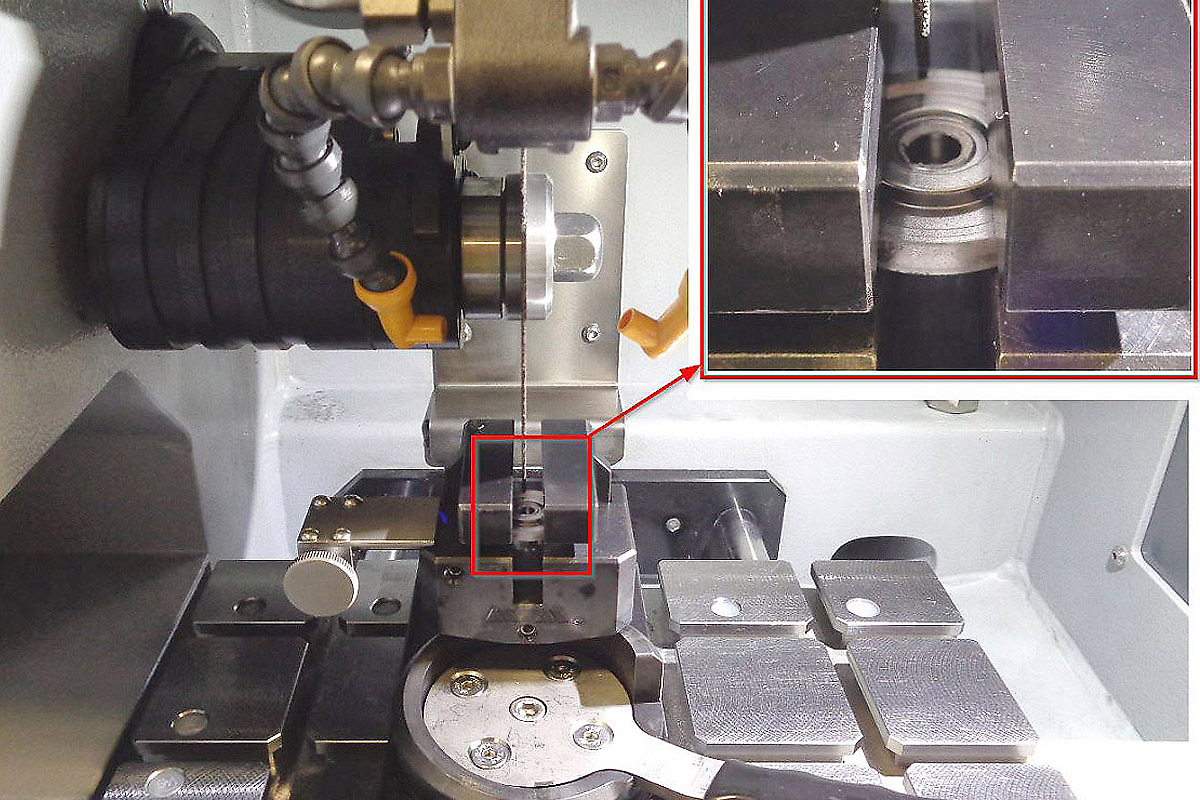
For this article a steel sample (X6Cr17, material number: 1.4016) manufactured by additive laser powder build-up welding was investigated. The first step was to obtain a smaller sample piece (=specimen) which is representative of the complete workpiece. This was achieved by using QATM’s precision cutter with a thin CBN (cubic boron nitride) blade (wheel thickness: 0.65 mm, wheel diameter: 153 mm).
The cutting was effected with a pulsed direct cut (0.2 mm forwards and 0.2 mm backwards) with a feed speed of 1 mm/s and a rotational speed of 4500 rpm.
After cutting, the specimen was mounted in a hot mounting material (Epo black) with a hot mounting press to obtain a specimen which is easier to handle. Mounting was carried out at a pressure of 200 bar for 6 minutes at 180°C, followed by a cooling cycle of 6 minutes. Another advantage is the high degree of parallelism of the mounted specimens of 51 µm ±1 µm (the tolerances are based on the caliper used for height measurements of the specimens). The mounted specimens were ground (individual force) and polished (individual force) afterwards with a semiautomated grinding and polishing machine.
The grinding process was divided into two steps. The first one was plane grinding using a silicon carbide (SiC) grinding paper with grit size P240 to remove all deformations caused by the cutting process. This was followed by grinding with a SiC paper with grit size P600 to smoothen the surface for subsequent polishing steps. First, the specimen was prepolished with the hard Galaxy BETA polishing cloth and 9 µm polycrystalline diamond suspension, followed by a medium-hard cloth made of silk and 3 µm poly diamond suspension. The last step, called final polishing, was done on a soft synthetic polishing cloth and Eposil M.
The detailed preparation parameters are indicated in this table:
| Step | Medium | Lubricant / suspension | Speed (rpm) | Direction sample holder | Single load (N ) | Time (min) |
| Grinding | SiC, P240 | water | 150 | Clockwise | 30 | 1:00 |
| Grinding | SiC P600 | water | 150 | Clockwise | 30 | 1:00 |
| Polishing | BETA | alcohol, diamant 9 µm(poly) | 150 | Counter clockwise | 35 | 4:30 |
| Polishing | GAMMA | alcohol, diamant 3 µm(poly) | 150 | Counter clockwise | 35 | 4:00 |
| Polishing | OMEGA | water, Eposil M | 100 | Clockwise | 30 | 1:30 |
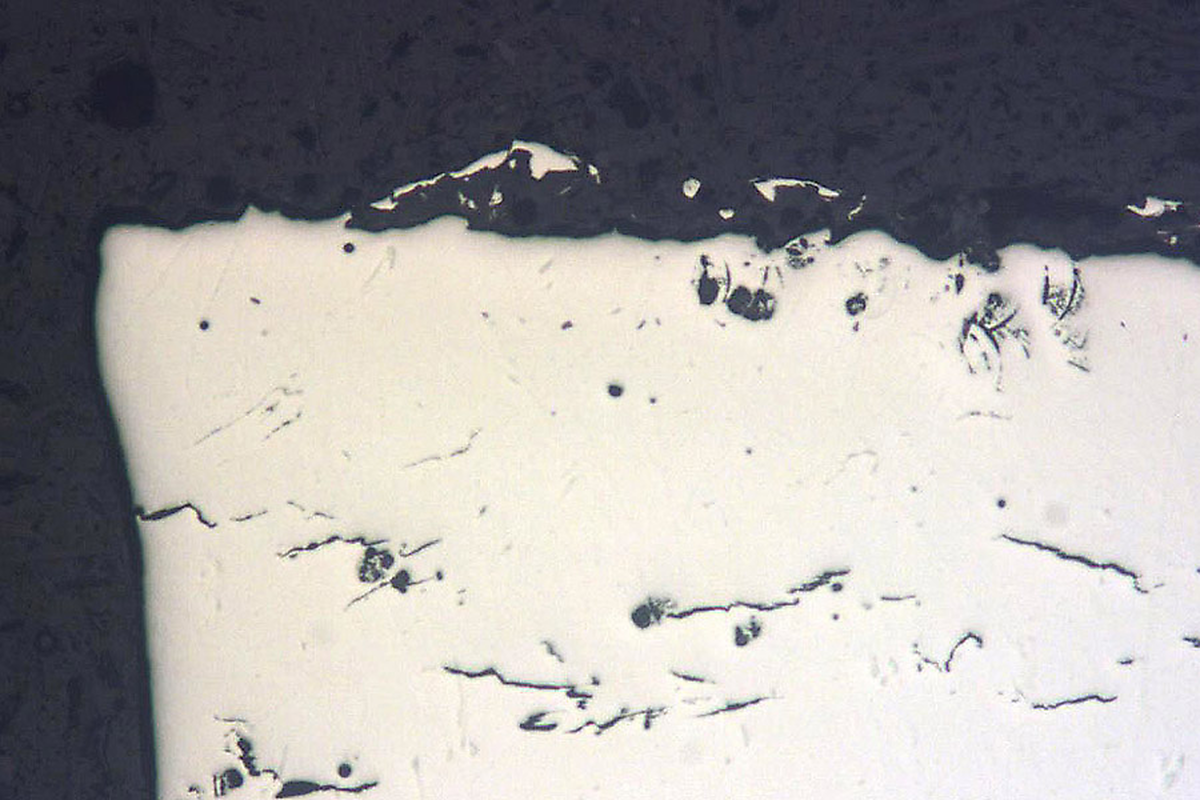
Based on this preparation sequence, a finely polished specimen surface was obtained. Figure 1 shows an image taken with an incident optical microscope (incident light) at a magnification of 100.
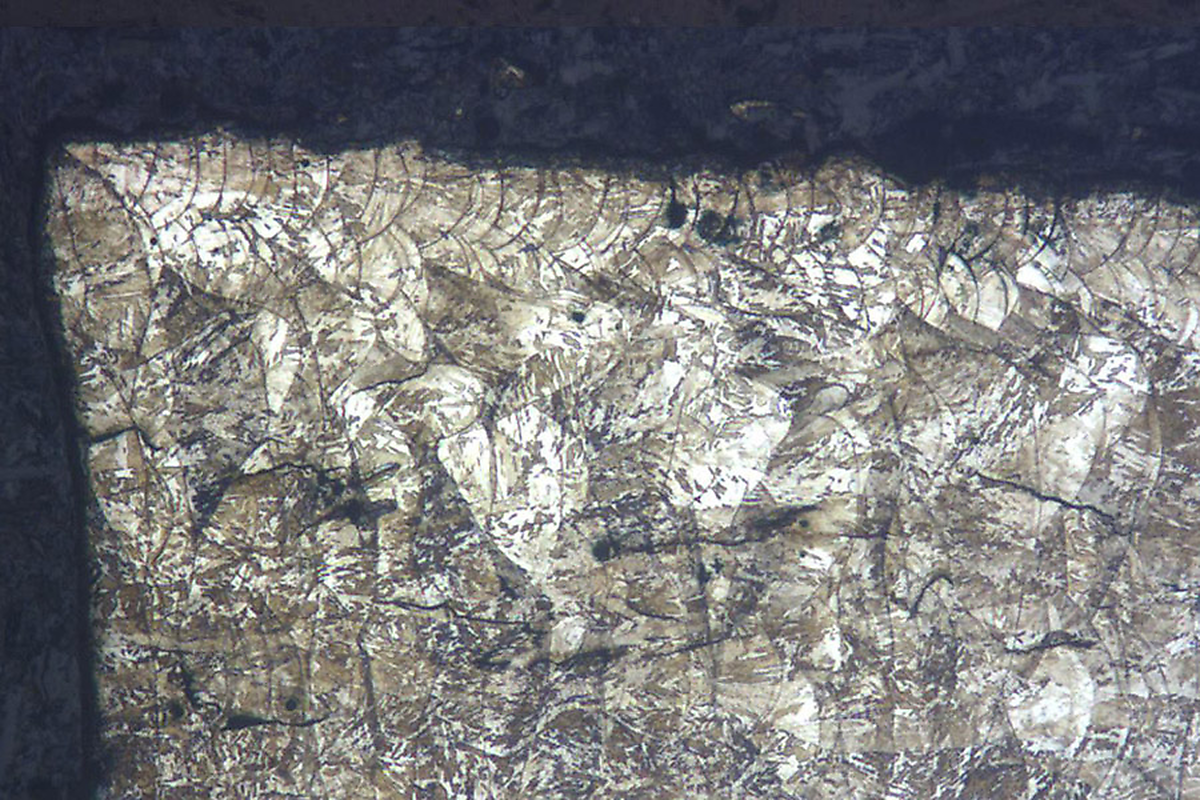
As the light is reflected almost equally over the whole specimen surface, the microstructure remains invisible. Due to the nature of the human eye, a minimum difference in contrast of 10% is needed to make the contrast visible on any surface. This contrasting is achieved by etching. In our example, the etchant “V2A Beize” for pickling was used to contrast the surface by selective etching of the different phases of the investigated X6Cr17 steel. Etching was done for 45 s and the microstructure is very well discernible as can be seen in the picture.
The microstructure was also contrasted well in the middle of the specimen surface indicating that the whole prepared surface was successfully contrasted as shown in the picture. Figure 2
Further examinations, like hardness testing, require a plane and smooth surface to provide reliable and meaningful results. The materialographic preparation process described above ensures that the specimen is ideally suited for hardness testing. QATM offers the Qness 60 A+ for this purpose, a powerful instrument for micro hardness testing and optical evaluation.
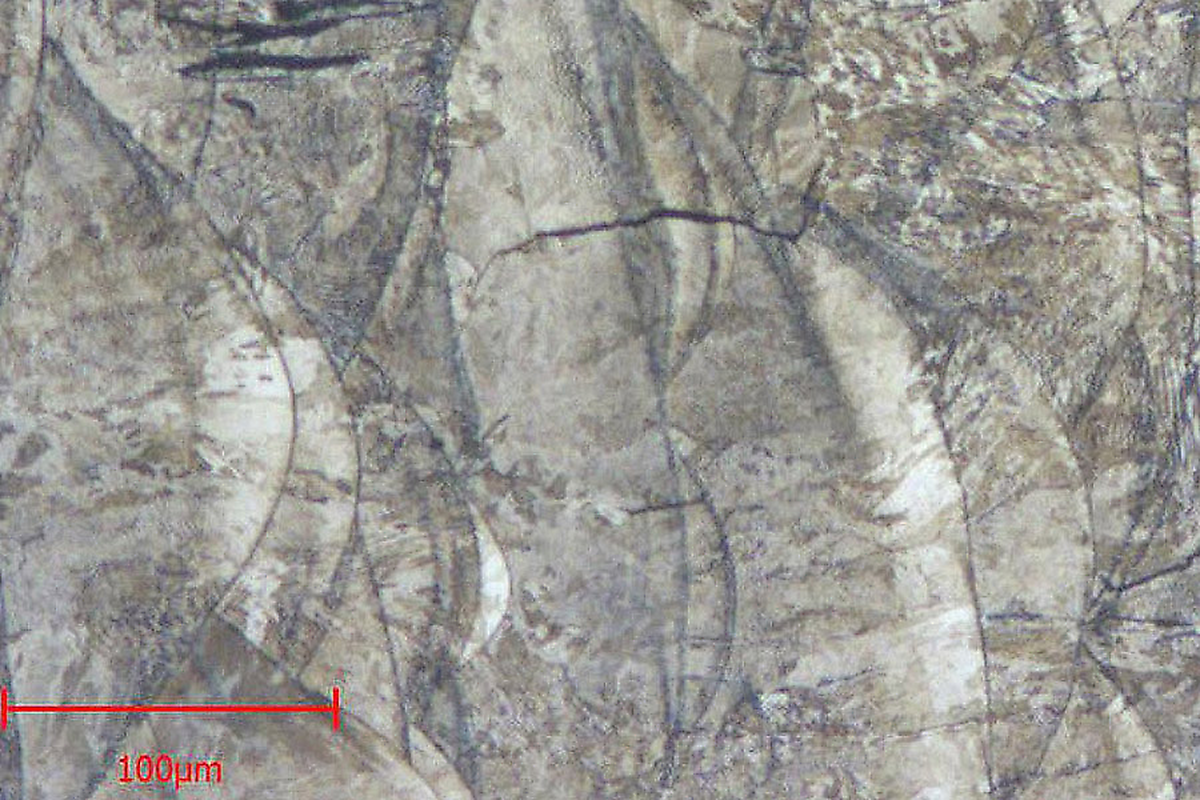
The polished surface in Fig. 1 shows several cracks. The straight edge on the left was achieved by milling. The contour of the welded seams is not visible. For a more detailed examination, the contrast was enhanced by etching. The etched surface is shown in Fig. 2. It has more cracks and the colored spots indicate over-etched areas close to several cracks due to etchant residues. The welded seams, which have different dimensions, are well visible. The layer-by-layer deposition technique effectuates heat treatment of the subjacent layer. A heat affected zone (HAZ) is formed and causes a change in the microstructure, affecting the specimen’s properties. For example, the hardness may be reduced, resulting in mechanical stress. As layers of different hardness are deposited one on top of the other, the mechanical stress continuously increases and may lead to so-called secondary cracks.
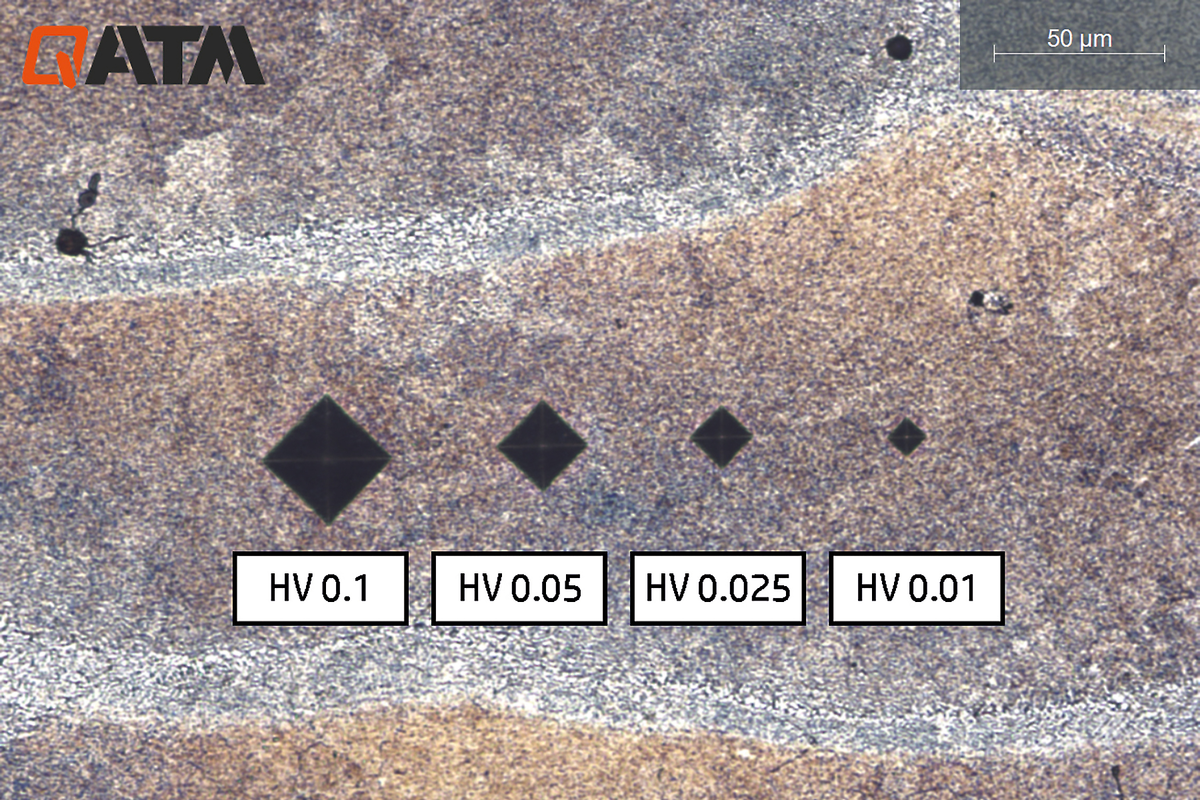
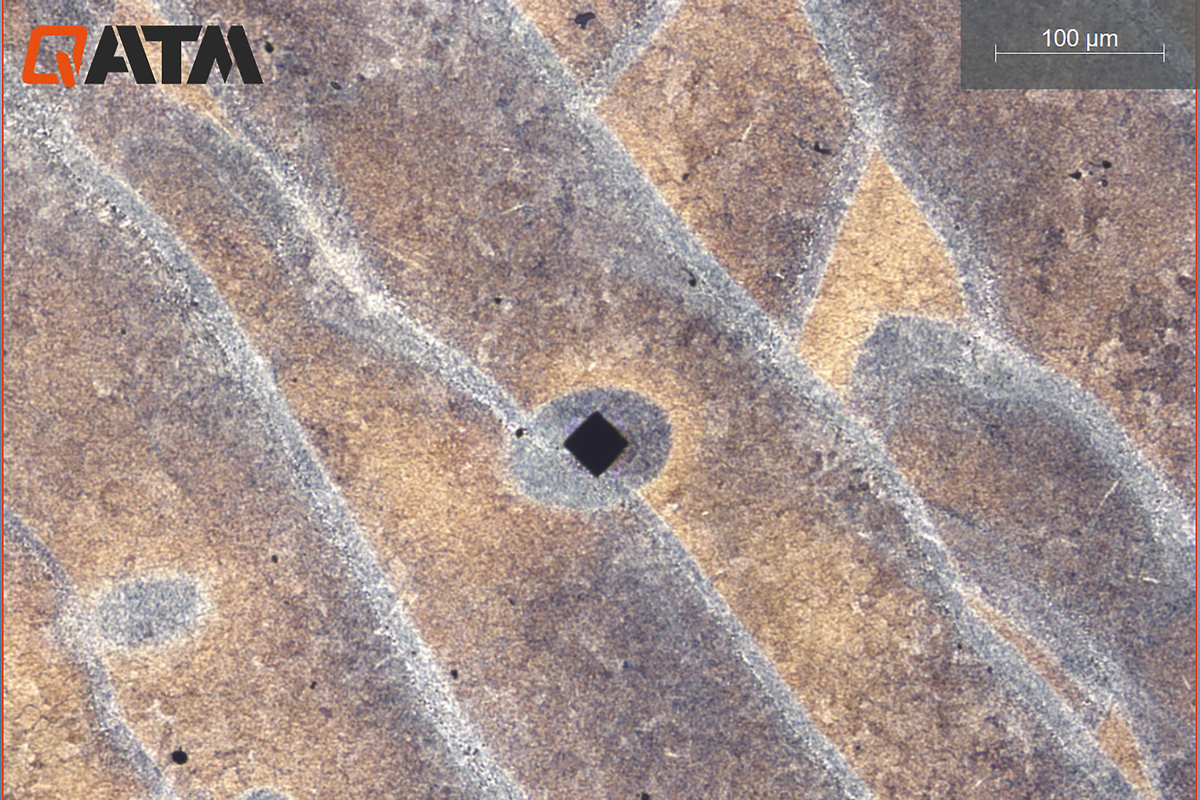
A reason for the formation of primary cracks are cooling gradients during deposition. Fig. 3 shows a magnification of single welding beads and their corresponding heat affected zones. Hardness testing can reveal the differences in hardness of the deposited layers.
Figure 1: Image of the prepared specimen surface. Due to the polished surface the light is reflected almost equally and the microstructure is not discernible.
Figure 2: Etched specimen using "V2A Beize" (for 45 s). Edge section. The microstructure is clearly discernible.
Hardness testing in powder metallurgy requires completely different parameters and procedures compared to classic hardness testing applications. Samples have to be prepared well to enable the hardness test. Powder has to be embedded in resin, e. g. with a hot mounting press, and afterwards the materialographic specimen has to be polished to obtain a clean surface for hardness testing.
Selective laser melting is used to produce aluminum alloys which have a much higher strength than the pure metal. In SLM, powdered aluminum is deposited in a thin layer (usually between 15 and 500 μm) on a base plate and then melted.
The components produced in this way have a hardness of 115 to 130 HV, which subsequently requires test forces >100 g. For the aluminum powder in our example, a hardness of 125 to 130 HV is to be expected, so that results with test forces >100g (HV0.1) comply with the Vickers DIN EN ISO and ASTM standard (standard requirement: Vickers indentation diagonal >20 μm).
If lower test forces are used on the hardness tester, testing of finer particles is also possible, but not in conformity with the standard.
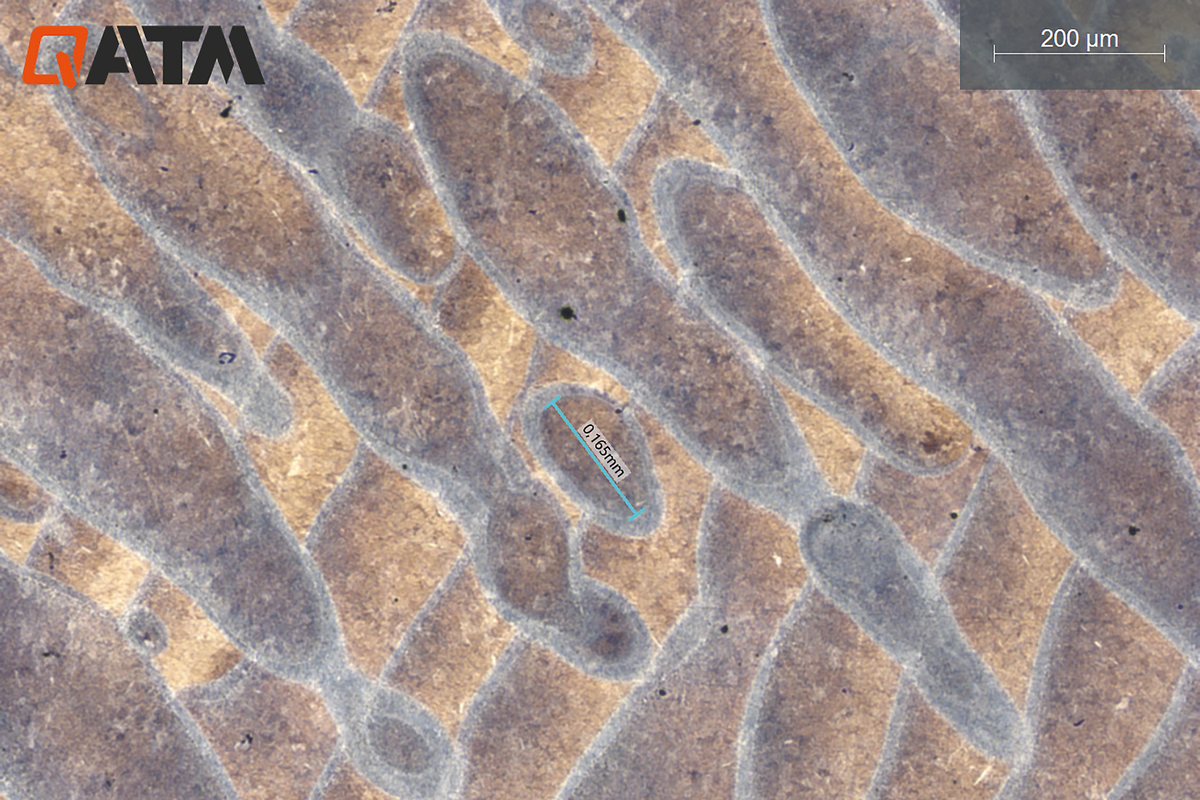
Figure 2: Thickness of an additively manufactured layer, measured with the hardness testing software - 5x
For proving the quality of powder materials a powerful Vickers micro hardness tester like the QATM Qness 60 is needed. Depending on the amount of tested samples either the simple semi-automatic “M” version or the professional fully automated “A+” models are the perfect choice for powder material applications.
Depending on the test force and the surface preparation, the hardness testers are even able to use the integrated automatic image evaluation next to automatic brightness and focus adjustment. Reporting tool and export functions permit the creation of test protocols or data export to data management systems.
QATM offers a wide range of innovative and robust instruments for materialography, metallography and hardness testing. Our experts know the requirements of each branch of industry and and will be happy to assist in finding the right solution for your application.