




Applications for Battery Technology
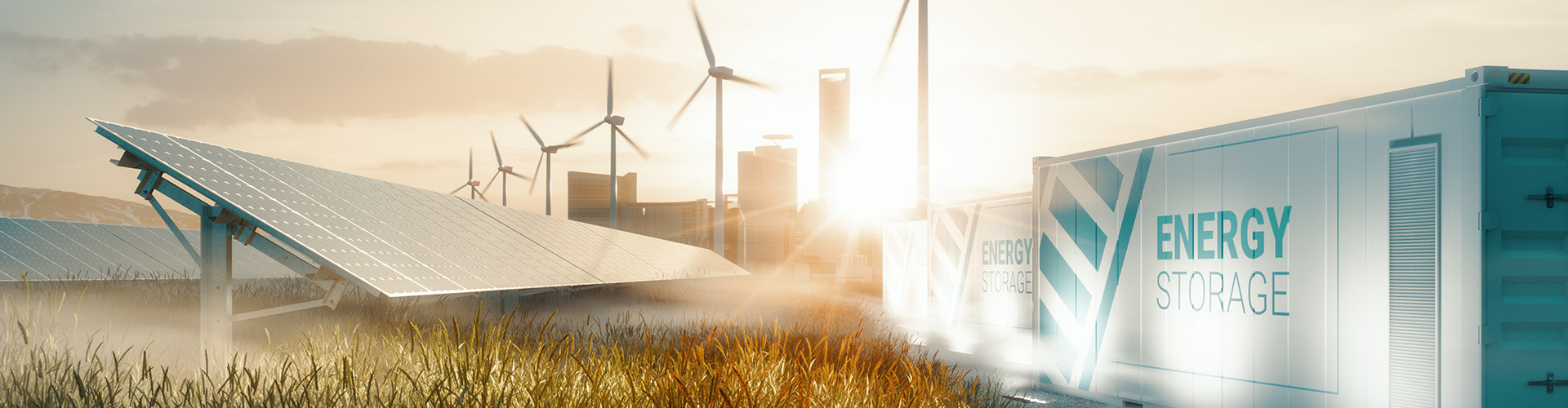
The energy transition requires effective concepts for energy storage, as renewable energy sources such as solar and wind are not continuously available. Therefore, a reliable energy supply is not possible without suitable storage solutions. Lithium-ion batteries have established themselves as the best available battery solution due to their high energy density, long lifespan, low self-discharge, and fast charging capability.
Tailored metallographic preparation is essential for better understanding and further developing the materials and structures of these batteries. It provides detailed insights into the microstructure, material composition, and quality of the individual components and joints, contributing to the optimization of lithium-ion batteries.
Metallography / Materialography Ejemplos de aplicación
Investigation of lithium metal oxide particles
Lithium metal oxide particles are subjected to metallographic preparation and examined by light microscopy and scanning electron microscopy with EDX detector to investigate their size and chemical composition.
QATM‘s epoxy-based cold mounting materials (Qpox 90 and Qpox 92) allow for mounting the oxide particle powders without any gaps, preparing them for grinding and polishing. Thanks to an extensive selection of polishing cloths and polishing diamond suspensions, a wide variety of lithium metal oxide particles can be prepared. The Qdoser system is used for automated dosing during polishing and fine polishing.
Short facts
- Metallographic preparation for optical microscopy investigation
- Metallographic preparation for optical microscopy investigation
Field of use
- Research & Quality Control
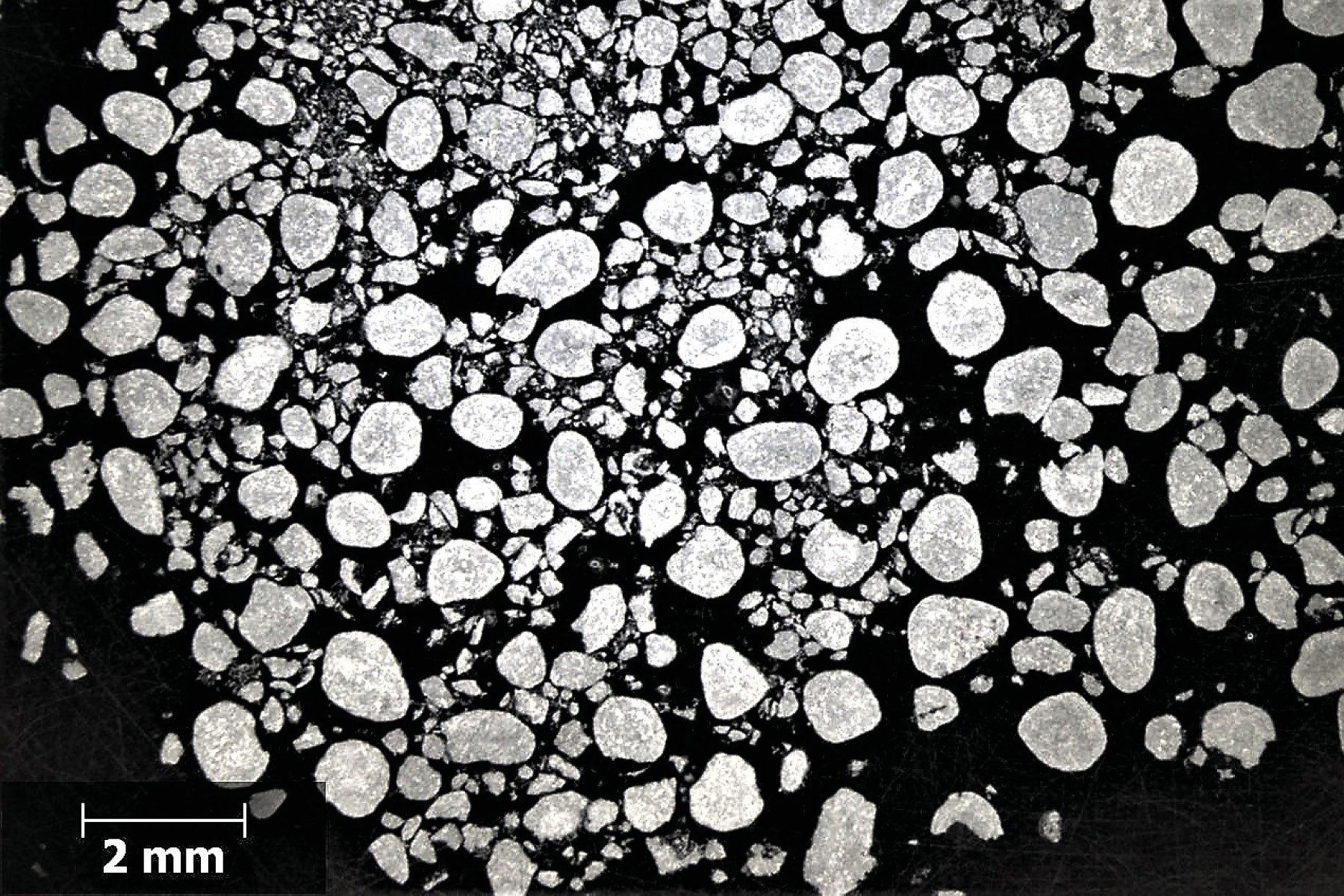
An example of powder particles mounted in Qpox 90.
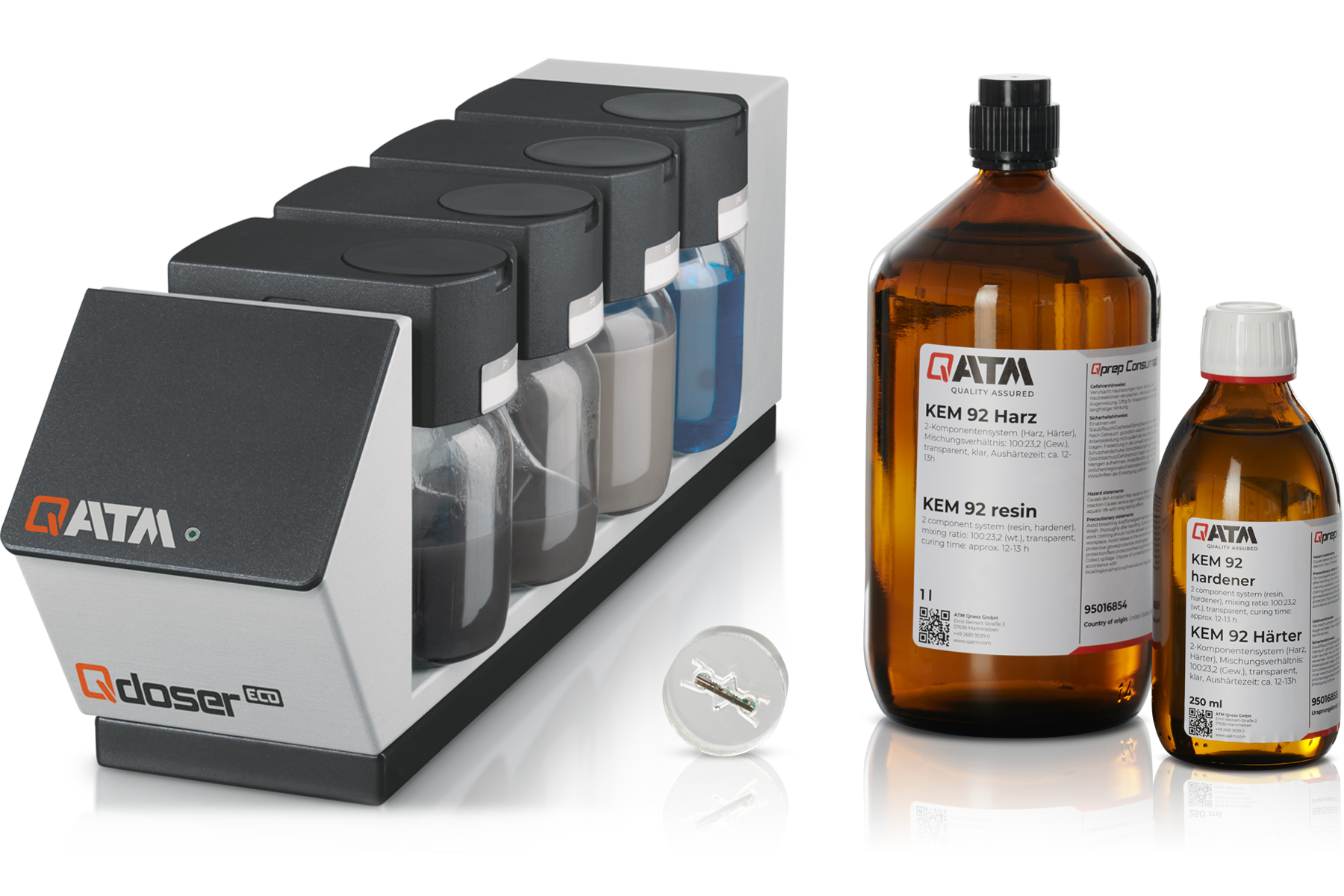
Unidad de dosificación Qdoser ECO & Consumibles
Cutting of lithium-ion batteries
LIB cutting can vary depending on the desired outcome. Cut-off machines can be used for sectioning the battery casing to take the whole jelly roll out, or for cutting the whole battery with casing and electrodes, while a scalpel is suitable for sectioning only the electrode foils.
A rotating clamping tool is used to cut the casing and take the jelly roll out. QATM cut-off machines offer a wide range of clamping tools for sectioning entire batteries. The image below demonstrates an LIB cutting process.
Short facts
- Saving time by cutting the sample near to the target surface.
- Use of rotation device to clamp the samples.
Field of use
- Research & Quality Control
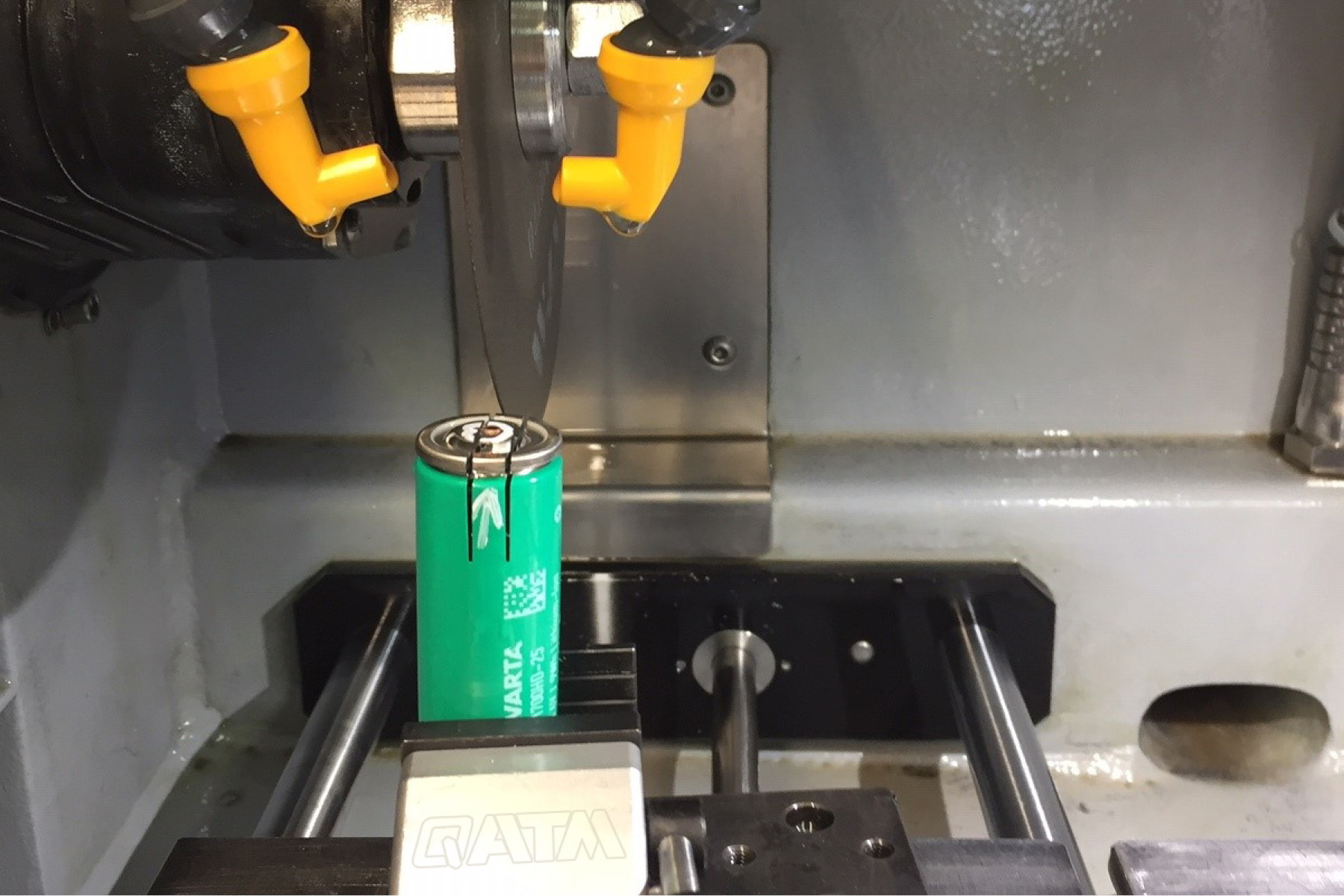
Sectioning of a complete LIB with QATM cut-off machine
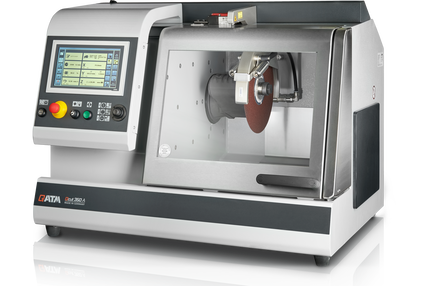
Cortadora Qcut 350 A
Mounting of lithium-ion batteries
Mounting Lithium-Ion batteries involves different techniques depending on the components being handled. The casing and spot weld can be hot mounted in some cases, but the electrodes require cold mounting due to their sensitivity to temperature and pressure. Mounting can be performed before cutting to ensure foils and other components remain in the sample. It can also be done after cutting to prepare the sample for grinding and polishing. To prevent gaps between the mounting materials and the sample during cold mounting, it is recommended to use mounting materials with minimal volume shrinkage and polymerization temperature. For mounting LIBs, the epoxy-based cold mounting materials QATM Qpox 90 and Qpox 92 are the best choices due to their low polymerization temperature of 60°C and 35°C, respectively, and minimal gap formation.
Short facts
- Using epoxy-base cold mounting materials with minimum polymerization temperature and shrinkage.
- High flexibility by hot mounting due to preheating function, cooling modes, maintenance tasks and user account management feature.
Field of use
- Research & Quality Control
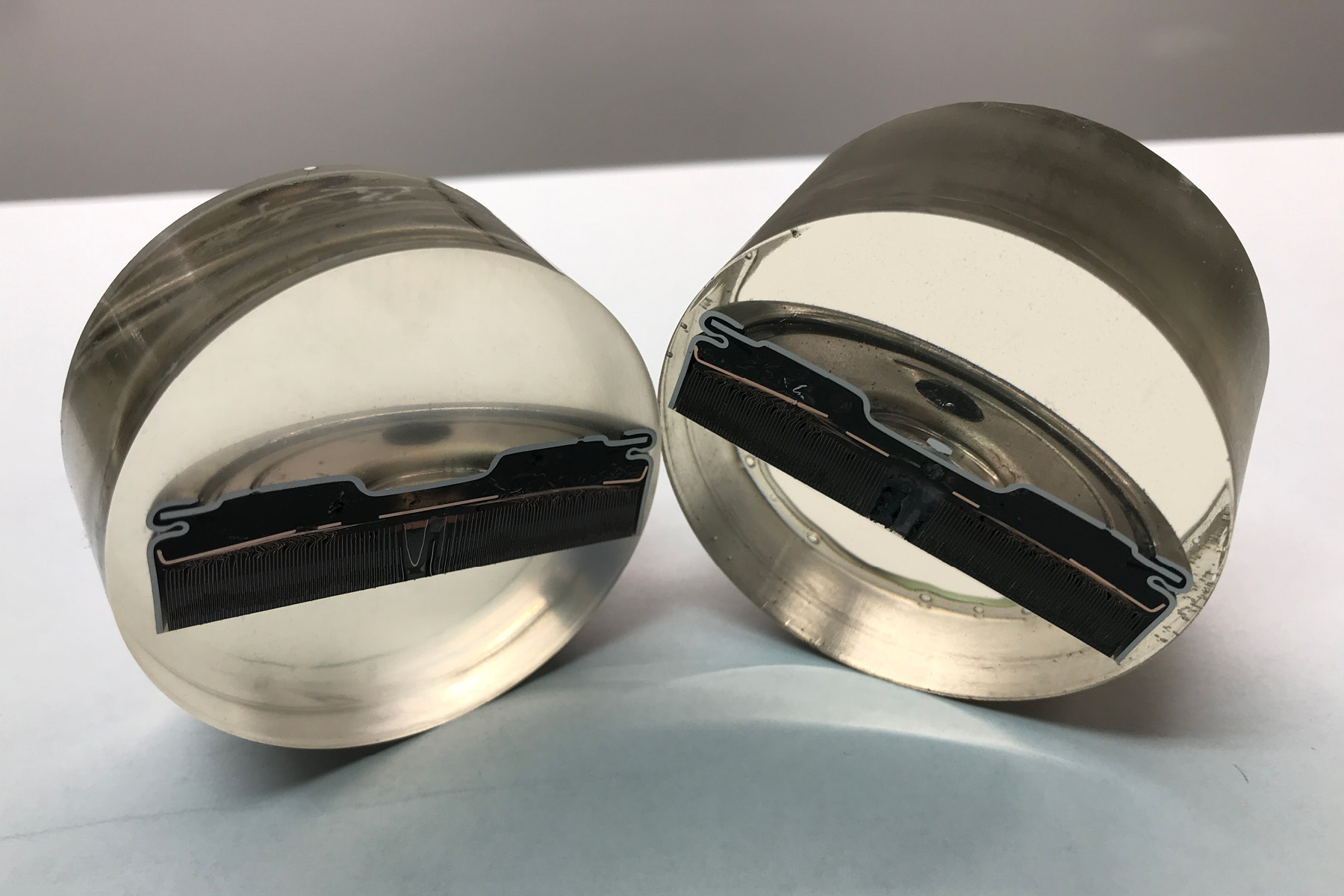
Cold mounted LIB samples
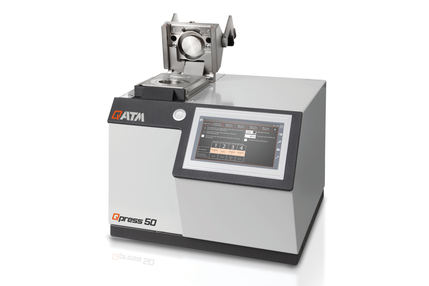
Prensa Qpress 50
Grinding and polishing of lithium-ion batteries
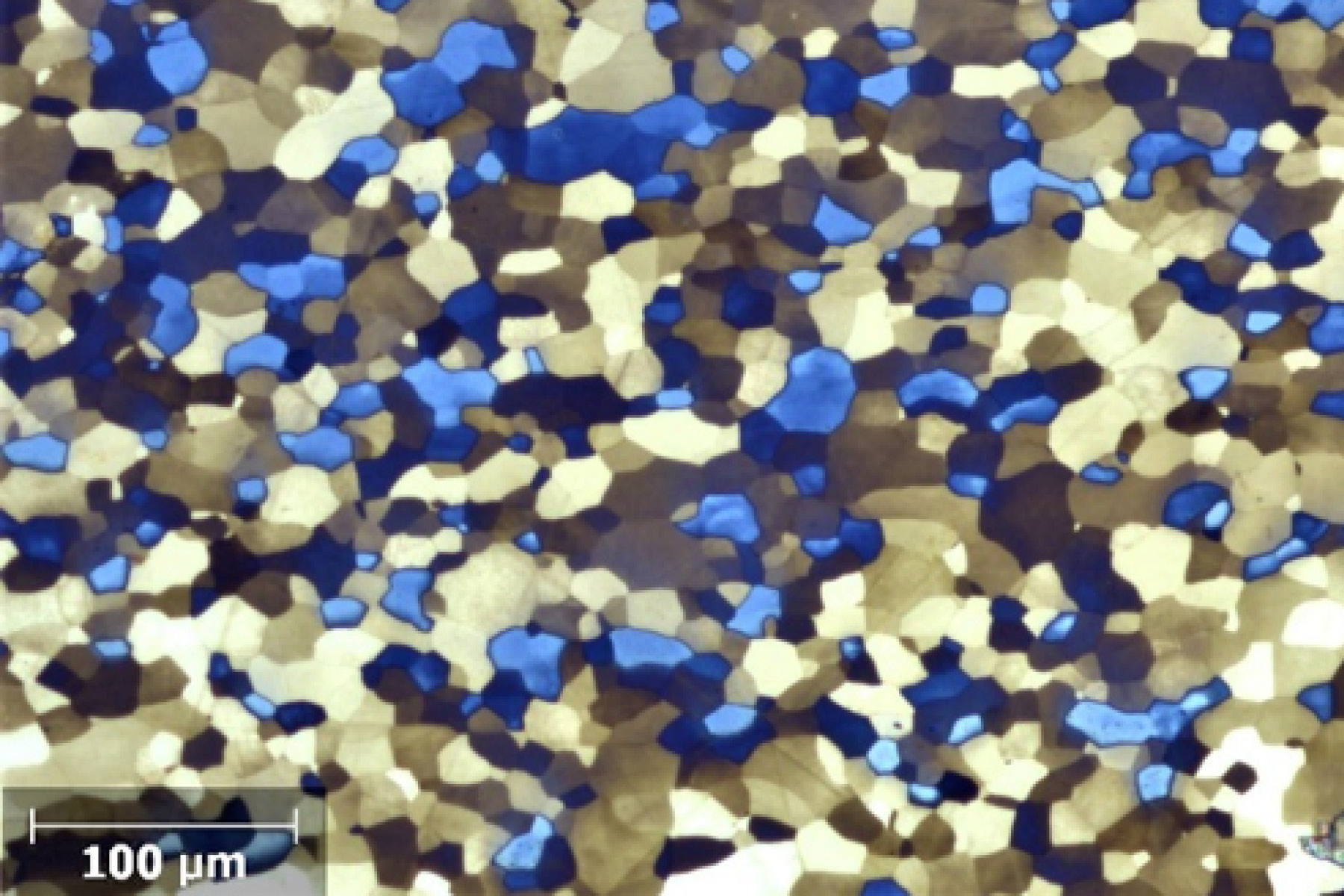
Grinding and polishing can be done on different parts of LIBs. Sometimes the casing should be prepared and examined under light microscopy or SEM (also with EBSD detector), in other cases the electrodes or spot welds should be prepared. The cap of the LIB is in many cases low carbon steel with Ni-coating. The image shows the cap of an LIB after 1 μm polishing and etching with Klemm I. For powering certain devices, large battery packs consisting of multiple lithium-ion cells connected in parallel-series configurations are required. A robust and flawless spot weld is a critical concern for many industries, like aerospace. The other important parts of LIB are electrodes. The anode is often a copper foil coated on one or both sides with graphite, and the cathode is in many cases an aluminum foil coated on one or both sides with metal oxide particles (for example LiNiMnCoO2 particles).
Short facts
- Water-free polishing suspensions and lubricants
- Water-free polishing suspensions and lubricants
Field of use
- Research, Quality Control & Production
Máquina pulidora y esmeriladora Qpol 250 A2-ECO
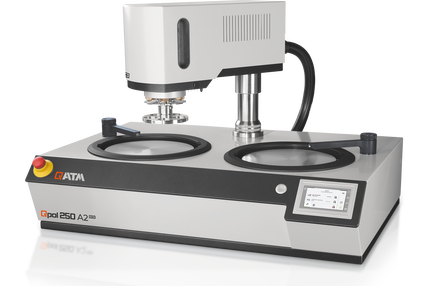
Máquina pulidora y esmeriladora Qpol 250 A2-ECO

¿Necesita más información?
Si tiene alguna otra consulta, no dude en contactarnos a través de nuestro formulario de contacto. Siempre estamos encantados de ayudarle a encontrar la solución adecuada para sus aplicaciones de ensayos de materiales.
Póngase en contacto con nosotros
Si desea obtener más información sobre la preparación materialográfica de muestras para la geología y la mineralogía, o si está interesado en nuestros productos, no dude en ponerse en contacto con nosotros. Con mucho gusto le asesoraremos y le haremos una oferta personalizada que se adapte a sus necesidades y presupuesto. Puede ponerse en contacto con nosotros por teléfono, correo electrónico o a través de nuestra página web. Esperamos su consulta.